Guide · Practitioner
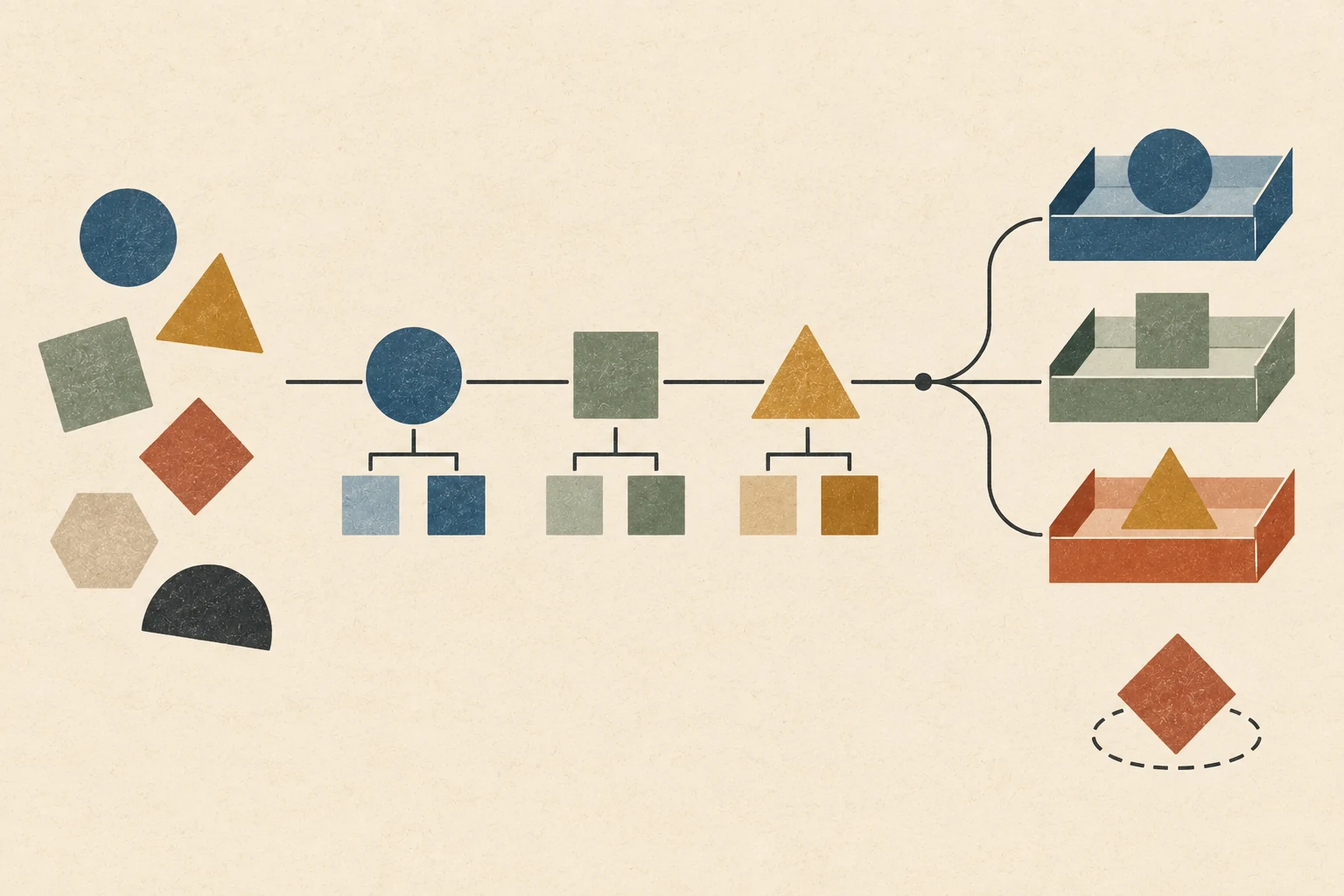
Fraud triage asks whether an alert deserves time. Investigation asks what the evidence supports.
The goal is a consistent, explainable decision—not a dramatic theory built from one unusual signal.
Detection & InvestigationReviewed Aug 15, 2026
Start with the decision
An alert should state what behavior triggered, which account or transaction is affected, the time window, and what action is available. Triage confirms data quality, checks for obvious duplicates or known legitimate explanations, and prioritizes cases by plausible harm and urgency.
Build a timeline
Useful investigation connects identity and enrollment, account history, devices and sessions, contact changes, transaction sequence, counterparties, customer contact, and prior alerts. Record where each fact came from. Separate observed facts, analyst interpretation, customer statements, and unresolved questions.
Close the loop
A decision may clear, monitor, restrict, reimburse, escalate, or refer the case under an organization’s policy. Preserve the rationale, evidence, control gaps, and outcome label. Feed confirmed outcomes back to the control owner without turning one case into a universal rule. Legal and regulatory steps depend on jurisdiction and policy.
Close with evidence and uncertainty
A case note should state the evidence considered, the decision, the policy or authority used and what remains unknown. “No fraud” is often stronger than the evidence supports; “alert not substantiated with the available evidence” can be more accurate. An educational page cannot adjudicate a live alert or replace an organization’s case system, customer process or legal duties.
Example: triage does not need the whole case
An alert for a new payee and rapid transfer may need an immediate hold-or-release decision. Triage checks the key account context, timing and available customer confirmation, then decides whether a full investigation is warranted. It should not collect every possible data point while a time-sensitive action waits. Investigation can then examine the broader timeline and connected events under a defined scope.
A reviewer should be able to follow the path
Organize the case note around the question, evidence, analysis, decision and next owner. Cite the source of each key fact and label customer statements and analyst inference. If the decision depends on a policy threshold, record the applicable version. Clear notes support correction, quality review and a safer handoff without turning the case into a public accusation.
Related reading
Keep exploring the subject
Related guide
KYC, KYB, AML, sanctions
Identity checks, customer due diligence, transaction monitoring, and sanctions screening are not interchangeable labels.
Explore
Browse all Security & Fraud topics
Choose another subject or question.