

Step 1 of 8
Cybersecurity and fraud
A stolen login can begin as a cyber incident and end as fraud. Other scams need no software exploit at all.
Security Foundations · Foundation
New or curious
You do not need to memorize a wall of acronyms. Follow this sequence to understand what cybersecurity protects, how fraud overlaps, and where common attacks and controls fit.
Begin with Cybersecurity and fraud, then use each lesson’s Next lesson link or return here to see the full path.
Step 1 of 8
A stolen login can begin as a cyber incident and end as fraud. Other scams need no software exploit at all.
Security Foundations · Foundation

Step 2 of 8
A weakness is not the attacker, and a severe flaw does not create the same risk in every environment.
Security Foundations · Foundation

Step 3 of 8
The message is the delivery vehicle. The real attack is the pressure to click, disclose, approve, pay, or surrender access.
Social Engineering · Foundation
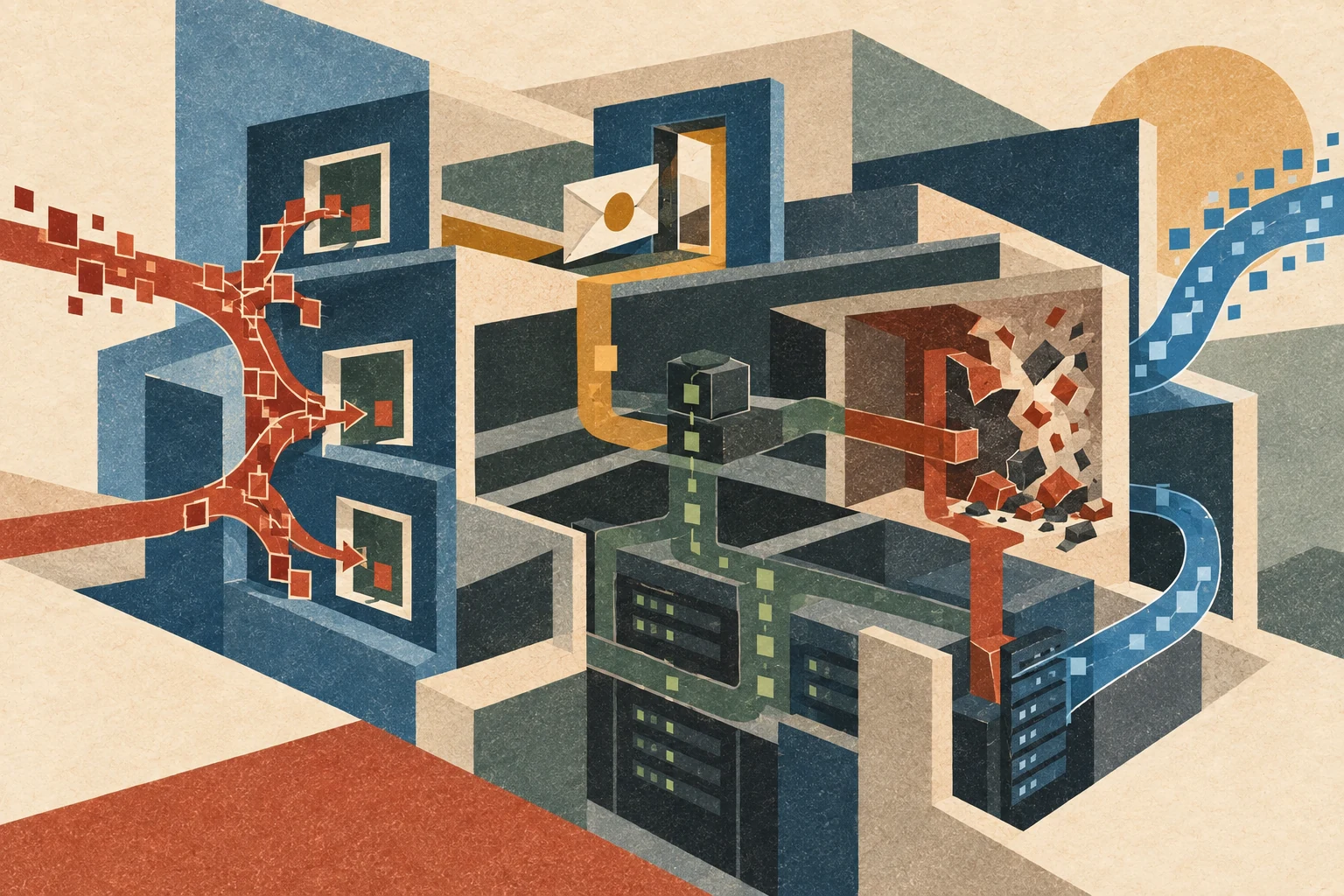
Step 4 of 8
The labels describe behavior, delivery, or persistence. One malicious program can fit more than one label.
Malware & Threats · Foundation
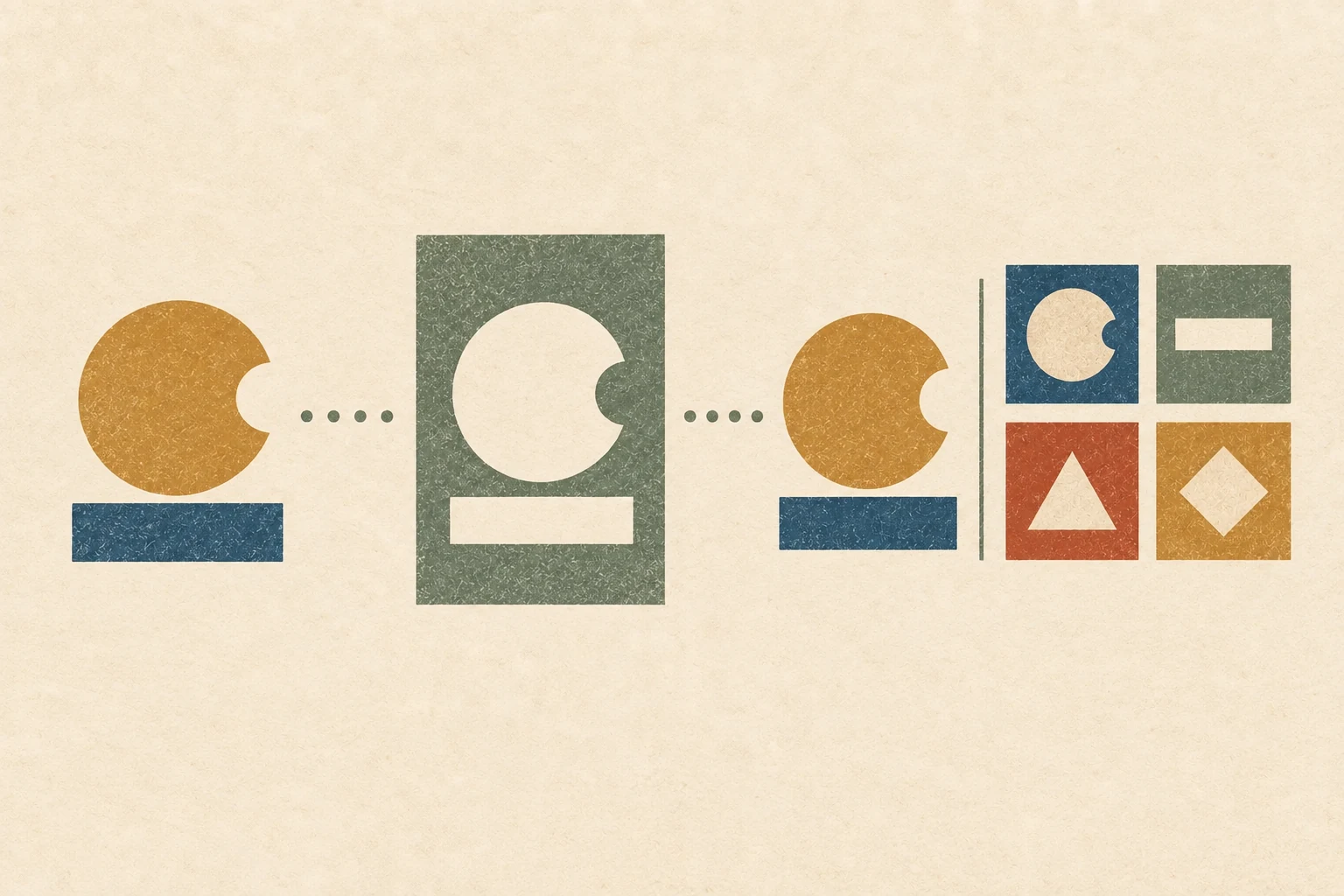
Step 5 of 8
Many account failures make more sense once login, permissions, and identity proofing are treated as separate controls.
Identity & Authentication · Foundation

Step 6 of 8
The attacker’s goal is not merely to sign in. It is to use the trust, data, money, or permissions attached to the account.
Payments & Account Fraud · Foundation

Step 7 of 8
Not every second factor resists the same attack, and account recovery can still become the weakest path.
Identity & Authentication · Foundation

Step 8 of 8
Preparation, detection, containment, recovery, communication, and learning belong to one risk-management loop.
Incident Response · Practitioner
After the foundation
Move into signals, investigations, controls, application security, and governance.
Compare Security Operations and Fraud Analyst learning paths.
Choose a subject without following another fixed sequence.
Return to the three main learning routes.