Explainer · Practitioner
Infostealers target the shortcuts that keep people signed in
Passwords matter, but browser cookies, session tokens, wallets, and stored application data can be just as valuable.
Malware & ThreatsReviewed Aug 15, 2026
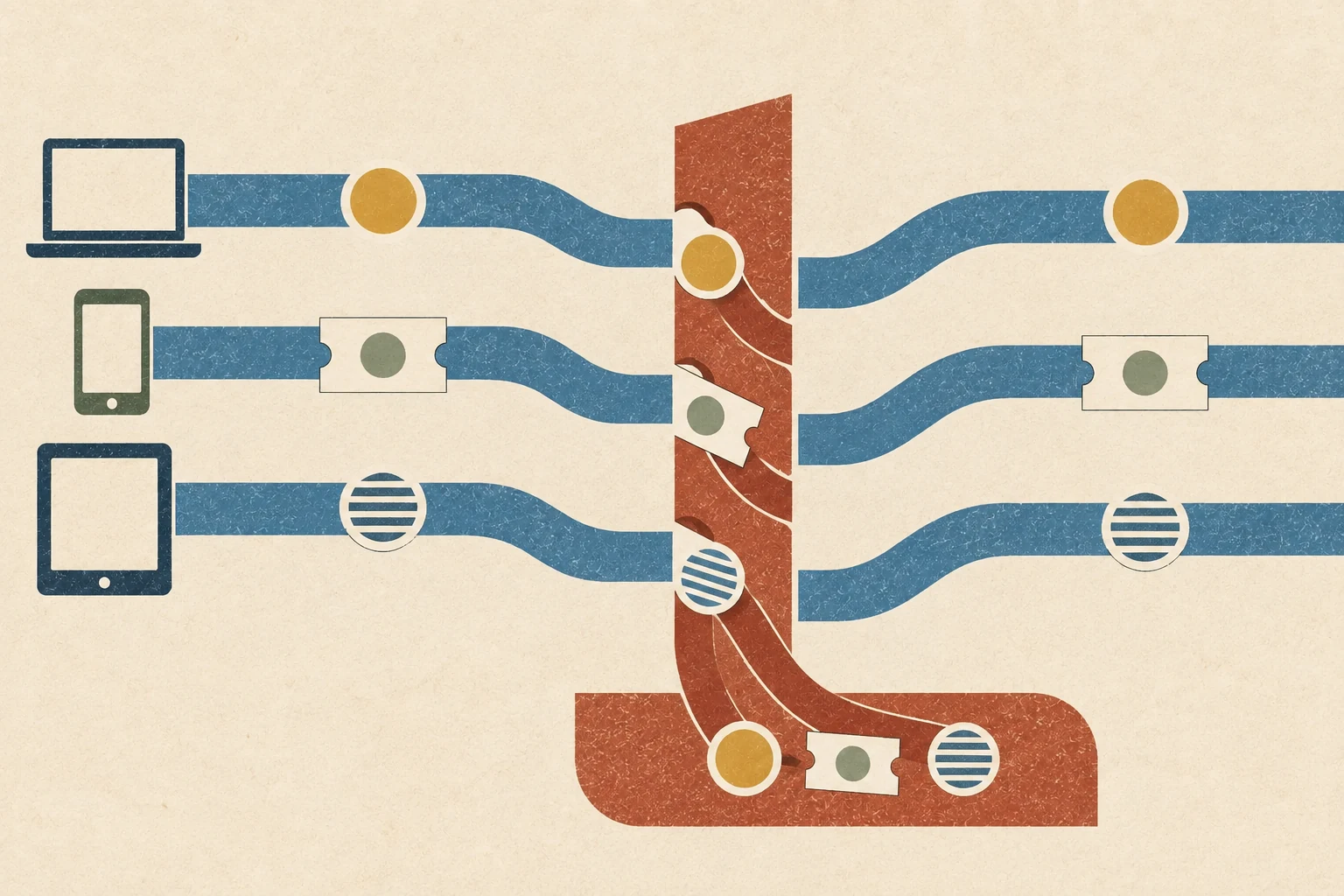
What is collected
An infostealer is malware designed to collect valuable information from a device. Depending on the family and environment, that may include saved credentials, browser cookies, session tokens, autofill data, cryptocurrency-wallet information, application configuration, or basic device details.
Why password resets can fall short
A stolen session may let an attacker act as an already authenticated user until the session expires or is revoked. If the email account or recovery channel is also exposed, the attacker may regain access after a password change. Recovery should consider sessions, tokens, linked applications, recovery factors, and the cleanliness of the device.
Defensive investigation
Look for the initial execution, affected users, data accessible on the device, unusual sessions, downstream account changes, and signs that stolen access was used. Avoid assuming every saved credential was taken or that a clean antivirus result proves no data left the device; state the evidence and its limits.
Sequence the cleanup carefully
Changing credentials on a still-compromised host can expose the new credentials. Preserve the evidence required by the organization, isolate or rebuild the affected device under approved procedures, then rotate secrets and review account changes from a trusted environment. Consumer victims should use the official recovery paths of the affected services and the FTC identity-recovery resources where relevant.
Example: the account was accessed without another password prompt
A stolen browser session can let an attacker enter a service as though the prior login were still valid. The service may record a valid session rather than a failed password attempt. That is why session inventory, device history and account changes matter beside password logs. It also explains why phishing-resistant sign-in cannot protect a session token after endpoint compromise.
Prioritize by consequence and reuse
Begin with email, identity, finance and administrative accounts that can reset or influence other services. Rotate credentials and revoke sessions through official controls from a trusted system. Look for reused secrets and attacker-added recovery paths. The scope should follow evidence; do not announce that every saved account was used merely because a browser store could have contained it.
Related reading
Keep exploring the subject
Related guide
Credential stuffing and session theft
Both can produce a valid-looking account session, but the prevention and recovery questions are different.
Related guide
Fraud signals and false positives
Good detection finds useful combinations while measuring the cost of stopping legitimate customers.
Explore
Browse all Security & Fraud topics
Choose another subject or question.