ScienceNews date: Published by Svertok:
Niobium in old Hubble data points to a possible planet born after its star died
Researchers interpret an unusual chemical signature around white dwarf HS 0209+0832 as a sign of a Jupiter-size second-generation planet, but the world remains a candidate.
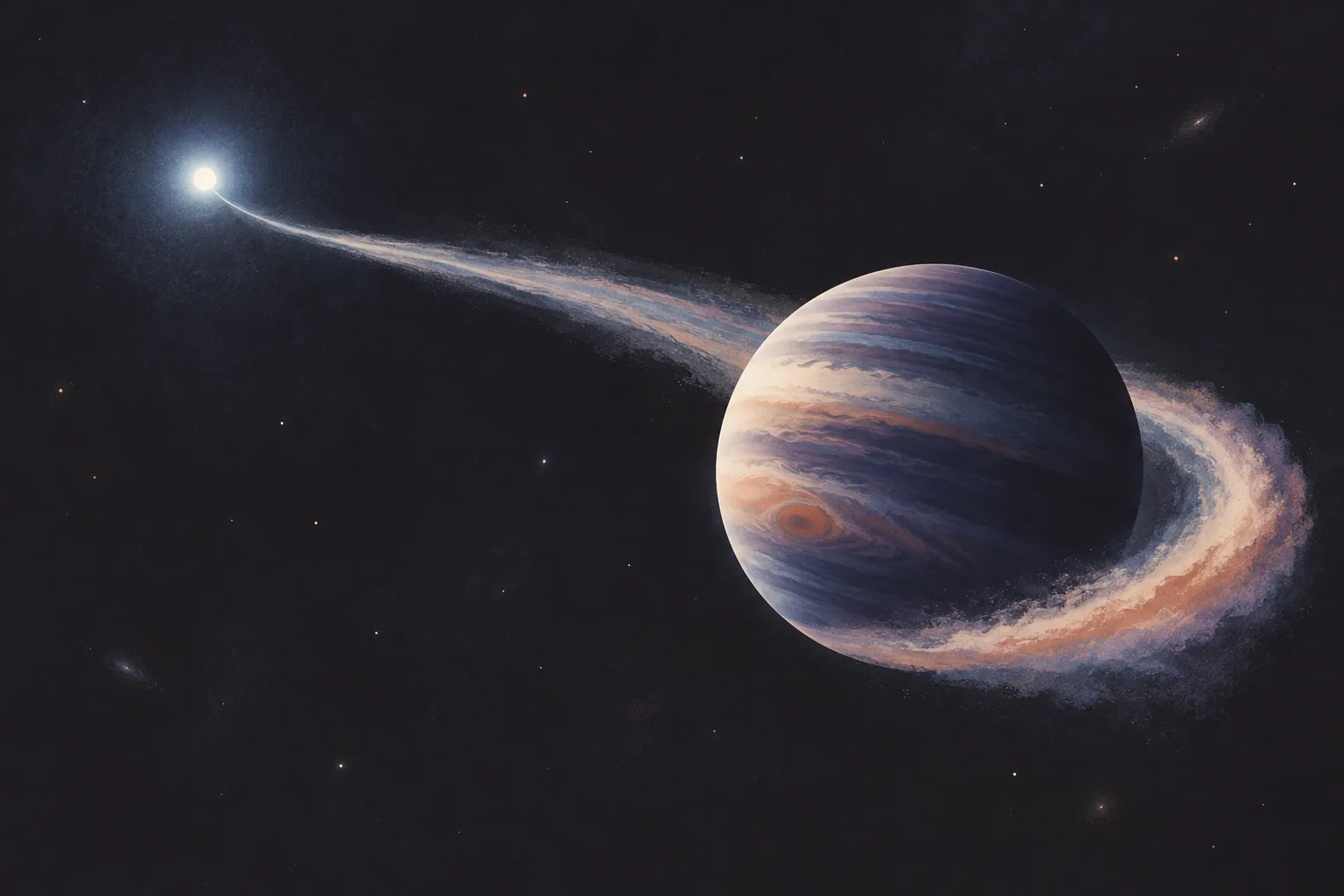
NASA reported on October 5, 2026, that a new analysis of archival Hubble Space Telescope data points to a possible second-generation planet orbiting the white dwarf HS 0209+0832. Hubble detected an unusual amount of niobium in the system, which researchers interpret as a clue that planetary material formed from matter expelled as the star died.
A white dwarf is the remnant core of a low-mass star after it exhausts its nuclear fuel and sheds its outer gas and dust. A second-generation planet would form later around that remnant from the cast-off material.
A possible gas giant feeding the star
The research team estimates that the candidate is a gas giant about the size of Jupiter and is rapidly losing atmosphere. Because the white dwarf is relatively new and remains very hot, the researchers think its energy is probably stripping the planet's outer material.
Under that proposed explanation, the escaping material could create a comet-like tail and a disk around the white dwarf before falling onto the star's surface, accounting for Hubble's niobium detection. NASA's depiction of the system is an artist's concept of this possible explanation rather than a direct image of the planet.
The candidate still needs confirmation
Researchers still need to determine how second-generation planets form, how common or rare they are and how their orbits evolve around white dwarfs. Williams plans to use Hubble over the next several years to build a larger body of data and statistics about such objects.
Williams said that if the planet exists, it is likely to survive the current atmospheric loss. He expects the white dwarf eventually to cool and maintain a consistent temperature, potentially leaving the planet in a stable habitable zone for millions of years. That conditional projection concerns temperature and orbit; it does not establish that the candidate gas giant is habitable.
Next
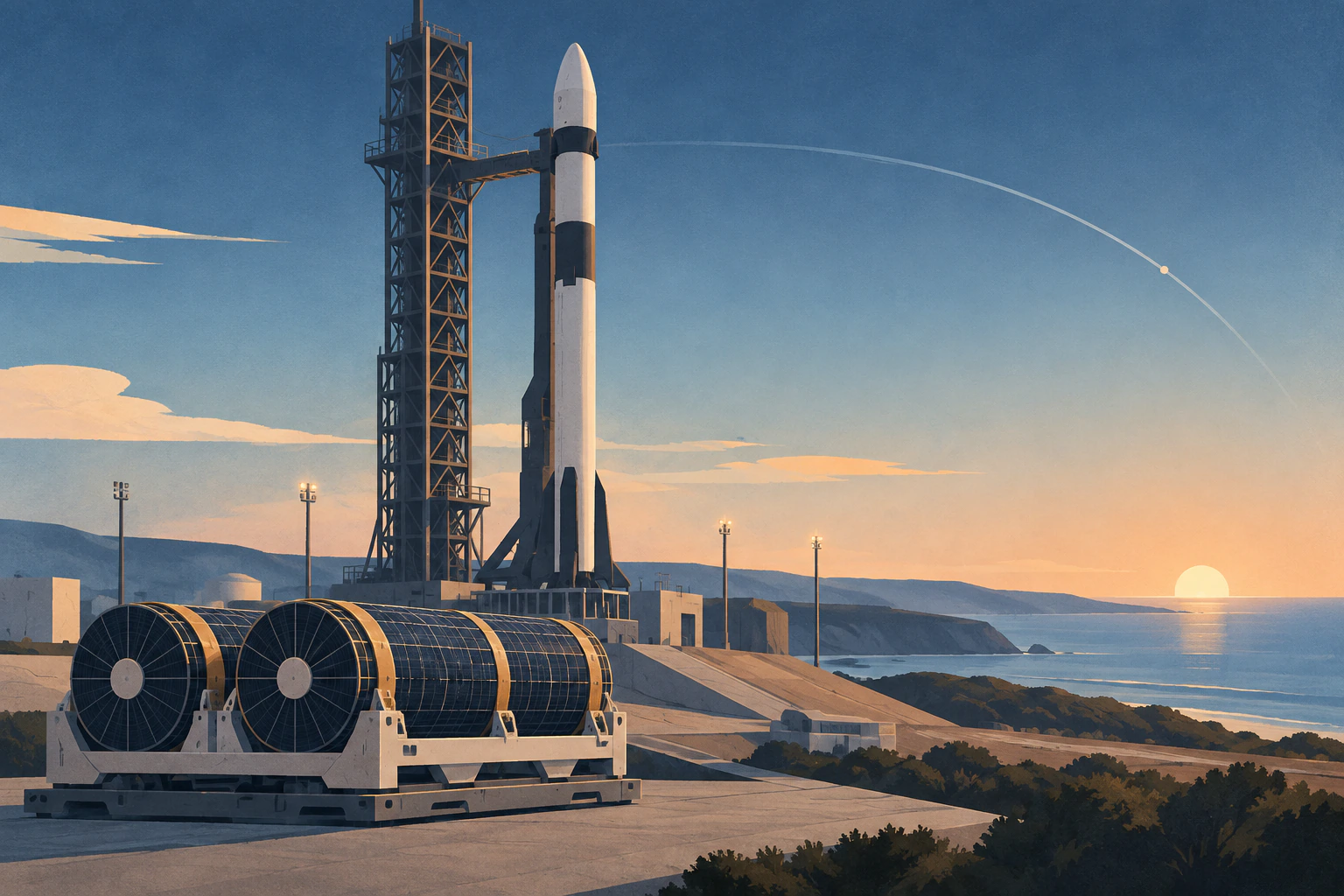
NASA targets Oct. 13 for SpaceX's 35th station resupply launch
Dragon is set to carry more than 6,300 pounds to the International Space Station, including the final set of roll-out solar arrays.
Read next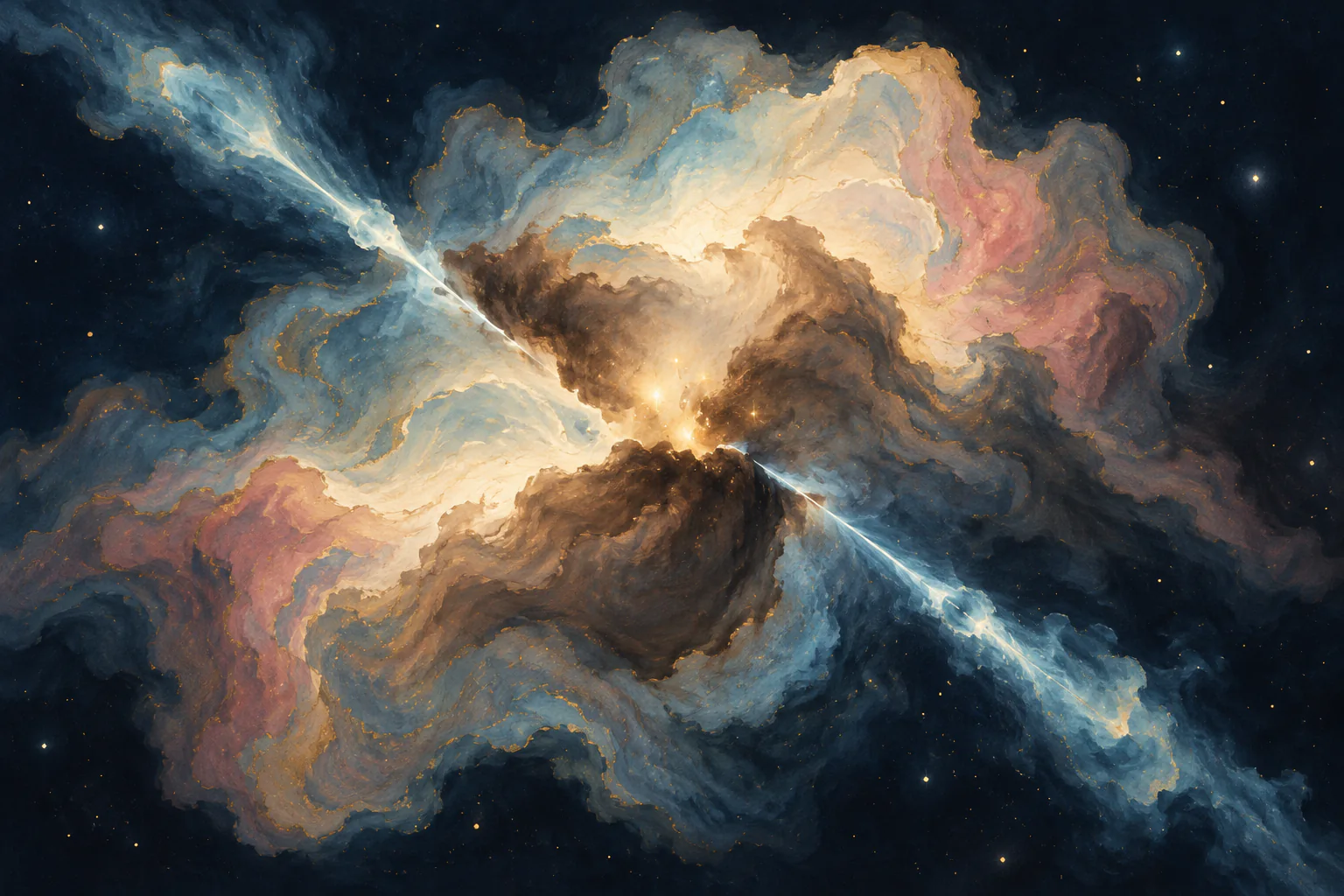
Webb reveals hidden young stars and gas-shaping outflows in NGC 7129
The infrared observatory's new view shows how light and jets from developing stars clear, energize and compress material inside a stellar nursery about 3,300 light-years away.
Read
DOE Announces Conditional $4.2 Billion Commitment for Nuclear Upgrades
The financing could support Vistra uprates and modernization in Pennsylvania and Ohio, but the commitment is conditional and its stated grid and cost benefits are projections.
Read