CarsPublished by Svertok:
A five-star safety rating compares crash performance within a defined test—not every road risk
A five-star score summarizes defined crash and rollover tests; NHTSA lists recommended safety technologies separately.
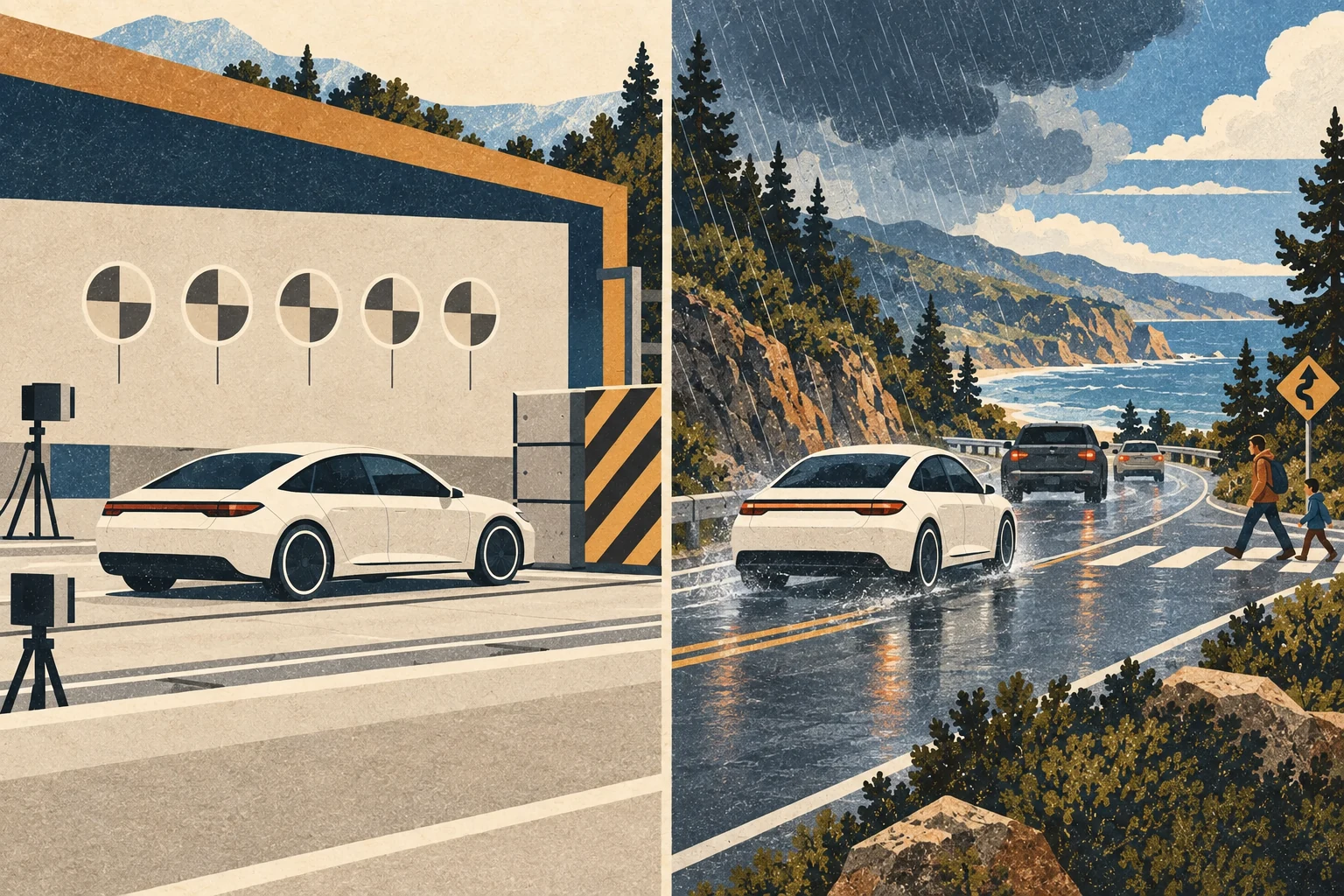
Start with the exact tested vehicle
NHTSA’s New Car Assessment Program tests defined configurations and reports frontal, side and rollover performance under its methods. Model year, body style, drivetrain or equipment can matter. Confirm that the rating belongs to the vehicle under consideration rather than assuming a badge covers every version.
The stars have boundaries
Crash tests create repeatable comparisons, but no laboratory program can represent every speed, angle, occupant or road condition. Rollover resistance and recommended safety technologies answer different questions from a frontal or side impact. Read the component results instead of compressing the entire vehicle into one symbol. NHTSA says frontal ratings can be compared only with vehicles in the same class and within 250 pounds; side and rollover ratings can be compared across classes.
Use other official information beside the score
Check current recalls, safety complaints and the actual driver-assistance equipment on the car. Seat fit, child-restraint needs, tire condition and safe driving remain separate. Five stars are useful evidence within a defined test; they are not a promise that no serious injury can occur.
Next
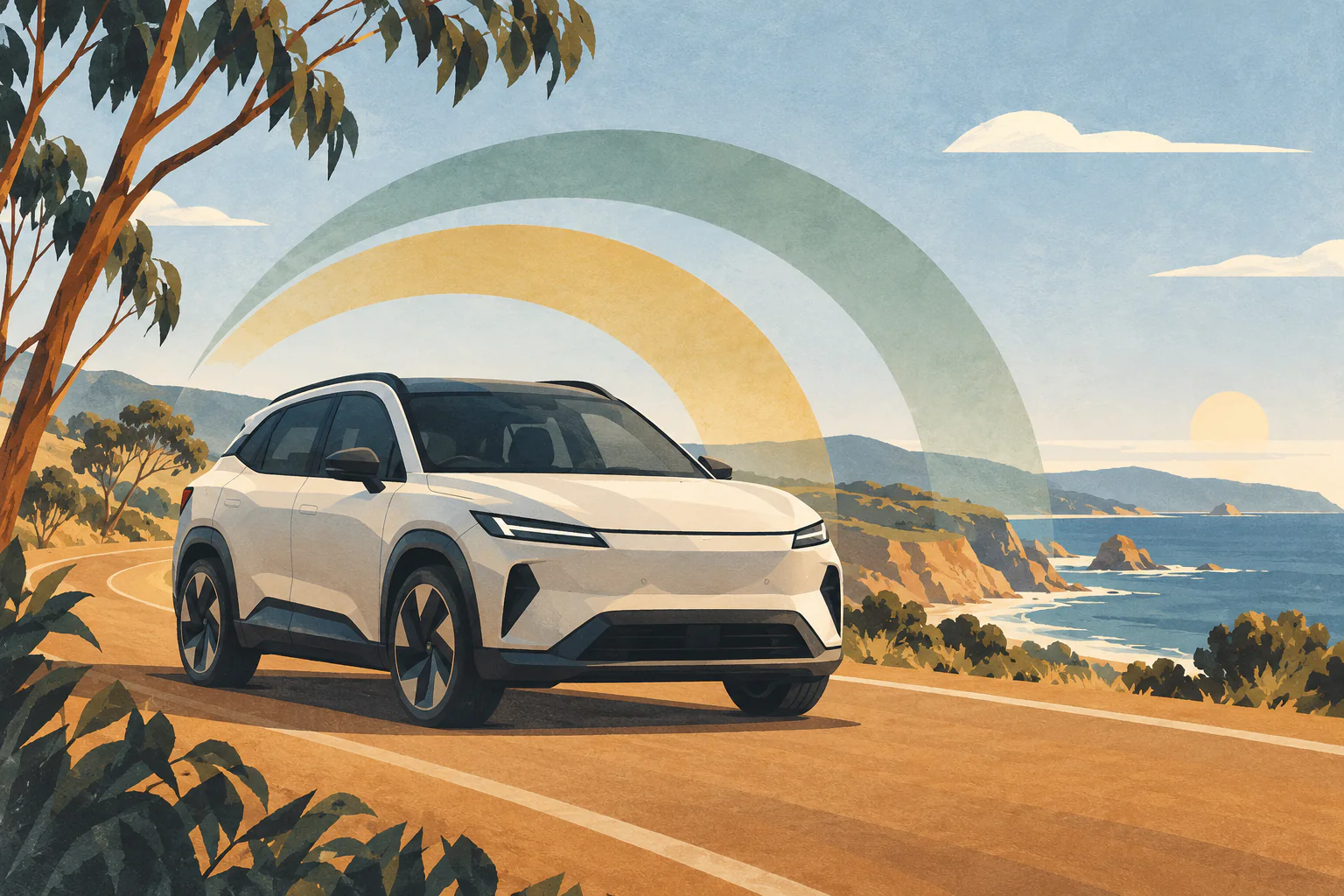
Leapmotor B03X electric SUV starts at A$29,990 drive-away under a limited Australian offer
The compact SUV is due in Australian dealerships in November with two battery sizes, WLTP-rated range claims of up to 292 or 382 kilometers and important limits on its advertised pricing.
Read next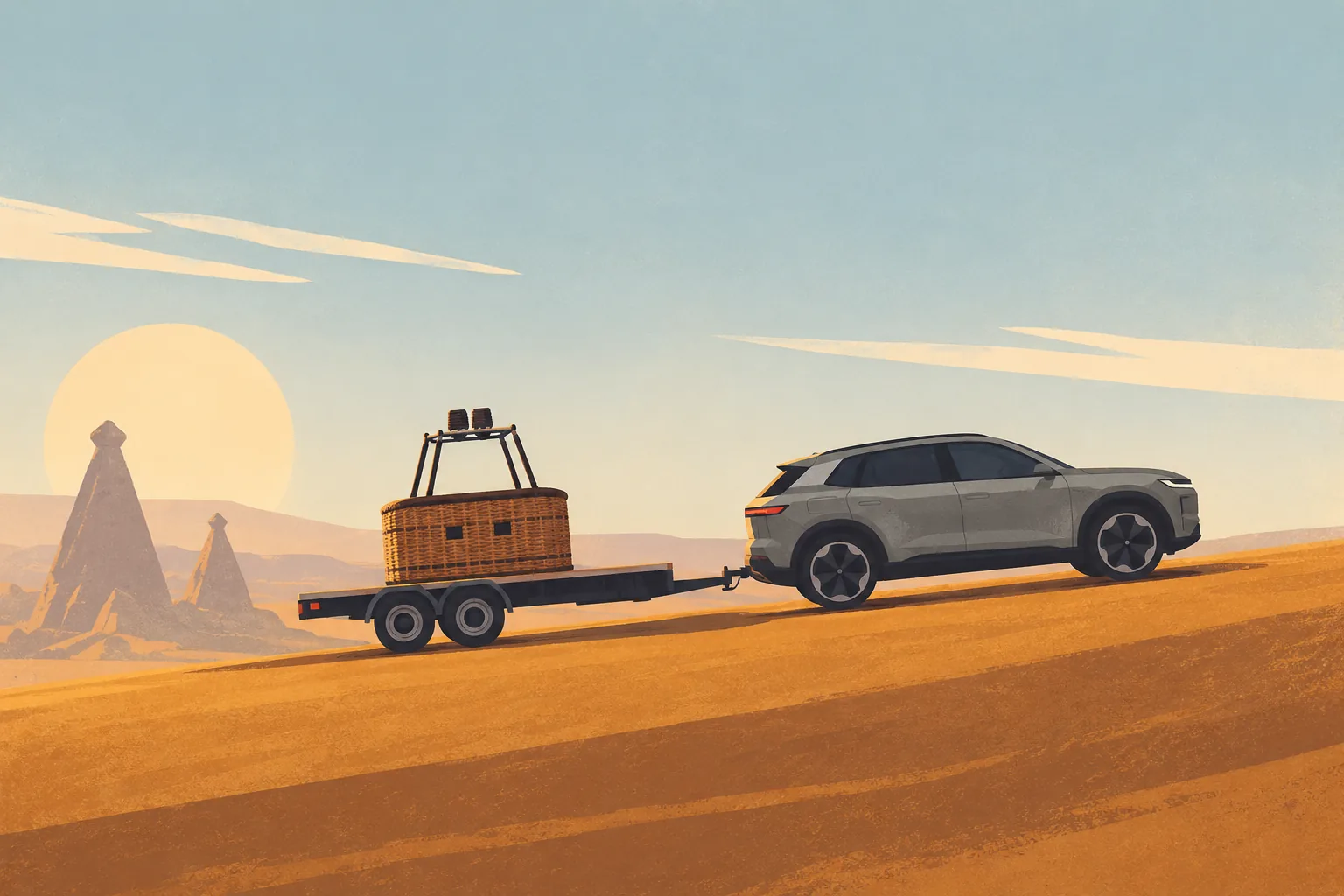
Porsche puts the Cayenne Electric's towing, terrain and charging claims on display
A Cappadocia media drive paired a market-dependent 3.5-tonne towing limit with off-road hardware, a 113-kWh battery and charging at up to 400 kW under optimal conditions.
Read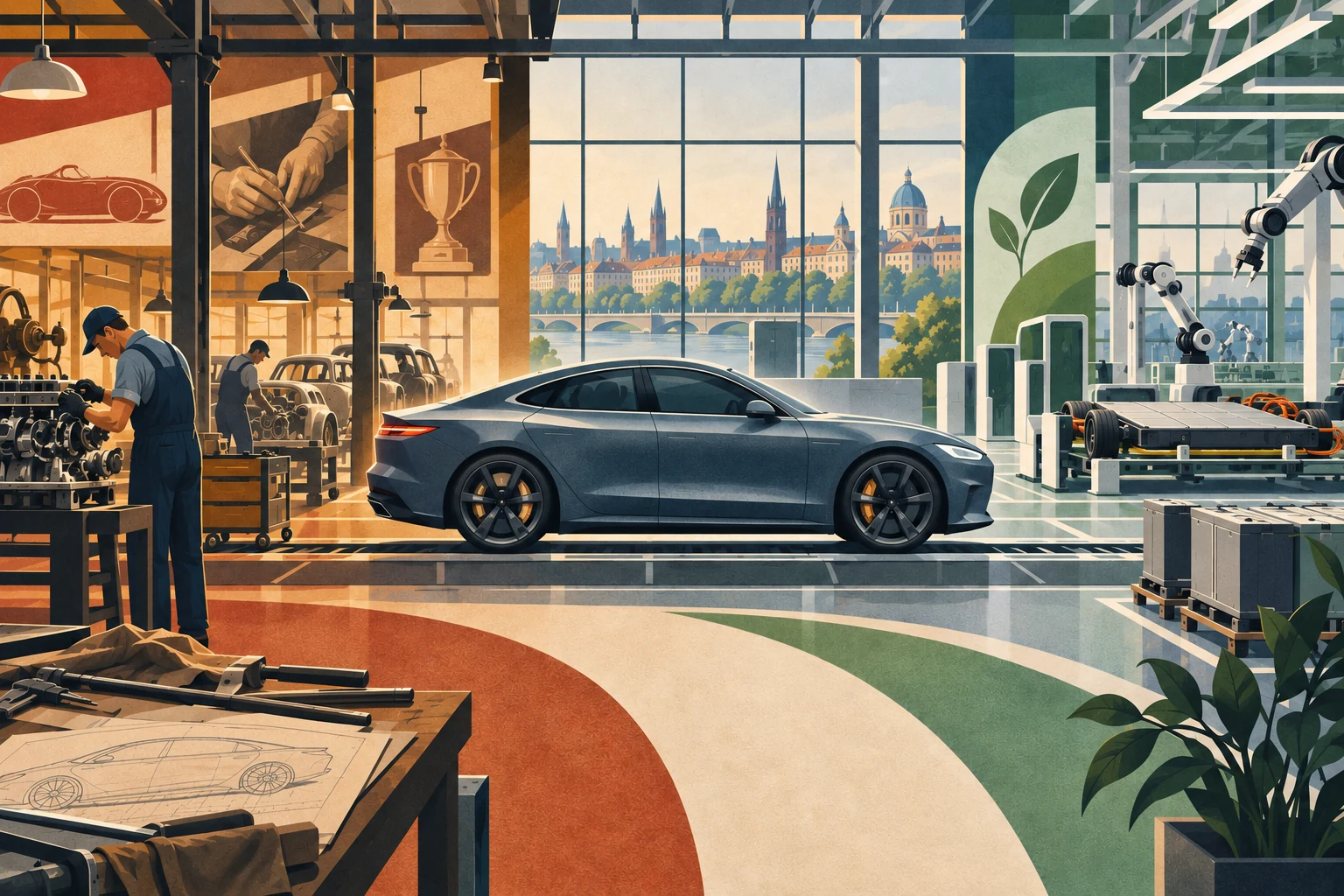
BMW’s Millionth M Car Points to an Electric M3 Built in Munich
The milestone M3 marks more than five decades of BMW M production as the company prepares its main Munich plant for an electric-only future.
Read